
Food, Faith & Feasting in Baroque Malta
Secret location , Malta
24 October 2026
time to be announced
A Baroque Knight’s Table
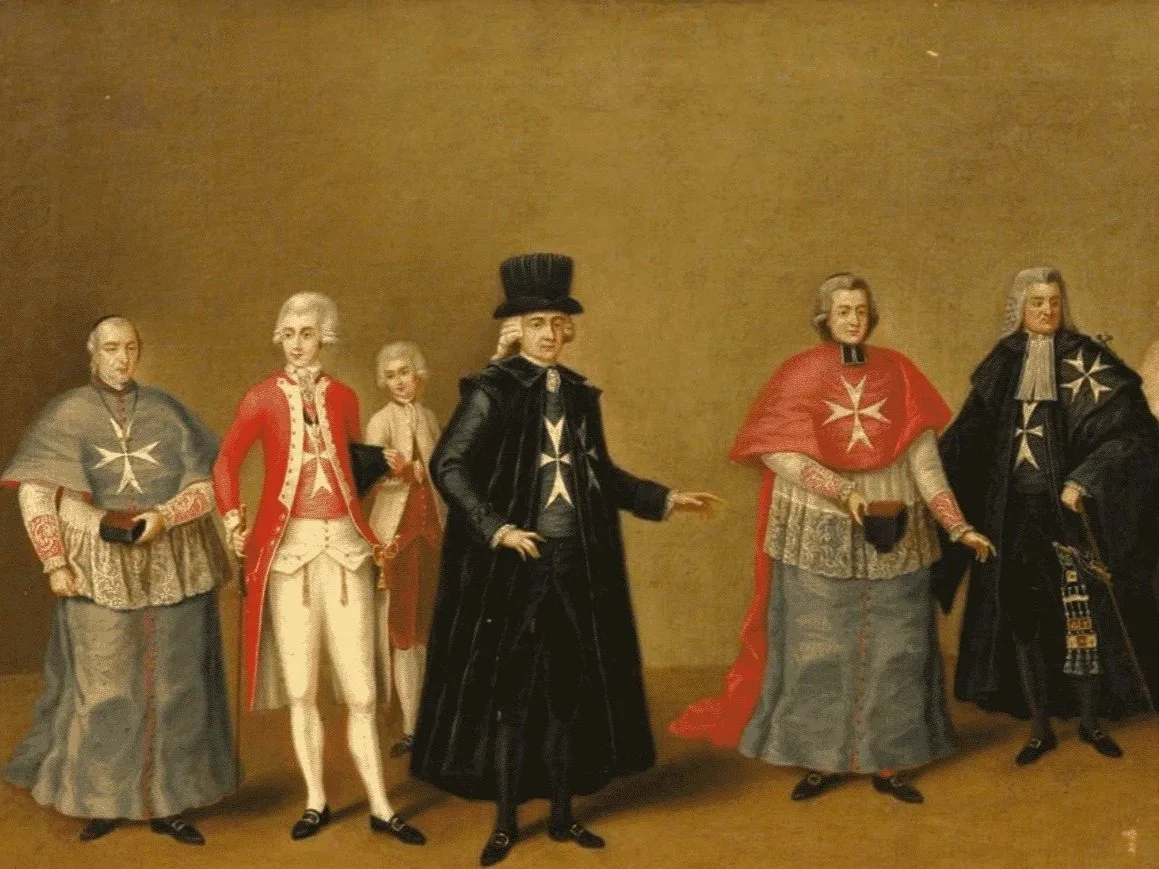
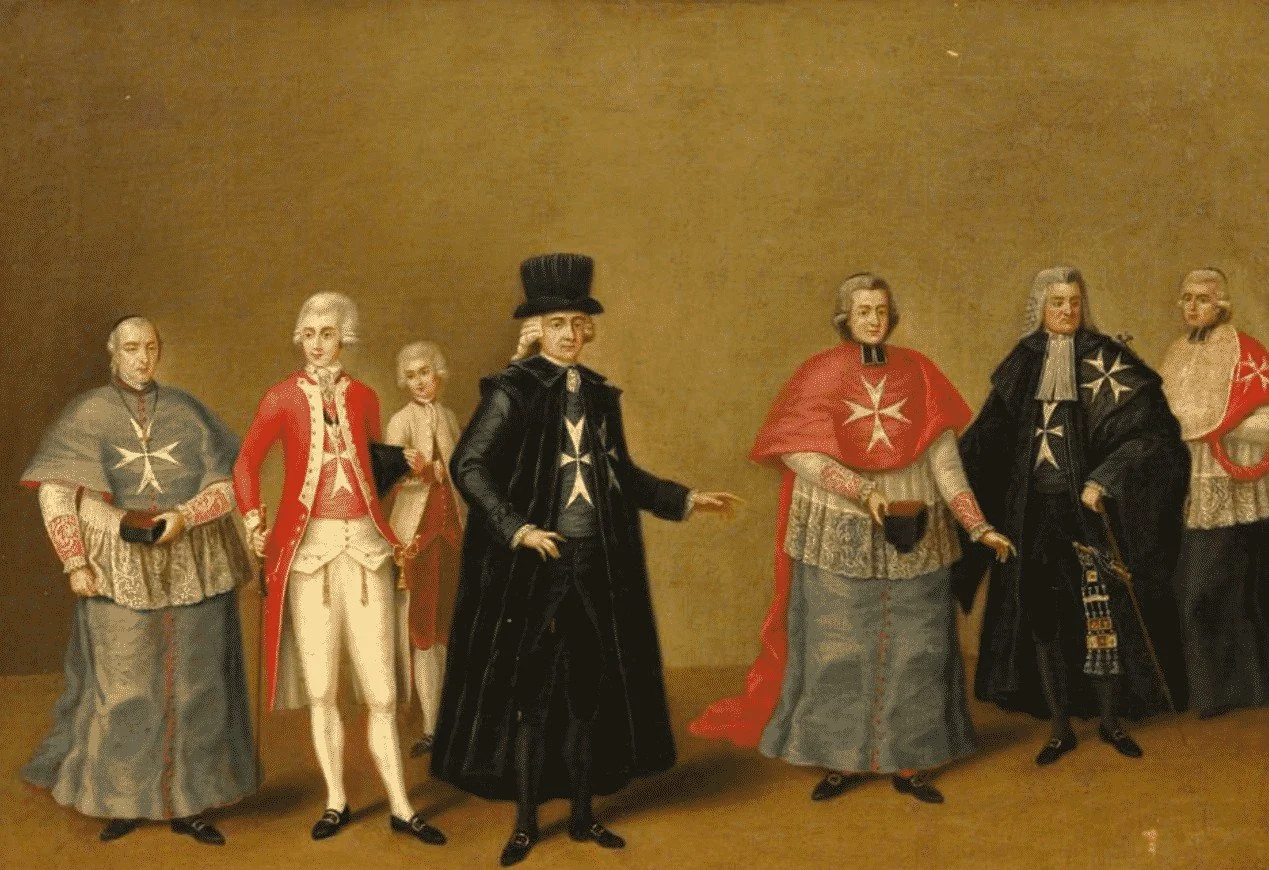
Take your place at the table and journey back to the Malta of the Knights of St John.
For one evening, food becomes a doorway into Baroque Malta ; a world of Knights and Grand Masters, fasting and feasting, hunting and hospitality, scarcity and excess.
Over a multi-course supper inspired by the period, discover how the food on a table could reveal wealth and status, religious observance and Malta’s connections with a much wider world.
-
Settle around the table as the evening unfolds over a succession of courses recreated from historical sources and adapted with a contemporary hand while remaining faithful to their origins.
This is a slow, convivial affair, where food is enjoyed alongside conversation. As each course arrives, we reveal its inspiration — the ingredients, cooking traditions and curious details that offer a glimpse into how people ate during the age of the Knights.
Rather than simply serving history on a plate, we invite you into the conversation: to taste, question, compare and perhaps be surprised by flavours whose stories stretch back centuries.
Come hungry. Curiosity is equally recommended.
-
A multi-course seated supper, prepared especially for the evening by our chef and accompanied by KulStoria’s heritage storytelling throughout.
The evening concludes with Maltese coffee — and another story to tell.
There is no fixed menu. Dishes change according to seasonality, availability and the chef’s interpretation of the historical sources, including ingredients and influences that reached Malta from beyond its shores.
-
Date & location
The dinner takes place at a private location exclusive to this experience; full joining details can therefore be provided to guests following booking.Food & dietary requirements
This is a feast inspired by the food of Baroque Malta and includes dairy, fish, game and meat.
A vegetarian main course is available. Please let us know about allergies or dietary requirements when booking so that we can advise what can be accommodated.What to expect
This is more than dinner. As each course arrives, the food becomes the starting point for stories about feasting and fasting, hunting, wine, ingredients and life under the Knights of St John.
Expect a relaxed, convivial evening where history is experienced around the table rather than delivered as a formal lecture.The setting
The countryside location has been chosen as part of the story. The area is traditionally associated with winemakers and tavern owners, whilst its feast in Malta has connections with autumn, wine, figs and the tasting of the season’s new wine.Limited places
This is an intimate experience at a private venue and places are strictly limited, so advance booking is essential.Getting there
More information will be provided once you book.
The Story
A Baroque Knight’s Table
A table connected to the world
In the cosmopolitan Malta of the Knights of St John, what you ate could reveal your wealth and status, your faith, and the world to which you belonged.
Beyond the harbour towns, rural communities lived largely according to the rhythms of the land and seasons. Bread was the staple of poorer households, accompanied by vegetables, pulses, oil and, when available, cheese or fish ; a striking contrast to the tables of Malta’s elite.
Around the Grand Harbour, however, another culinary world was taking shape. Malta’s gateway to Europe and beyond bustled with ships, merchants and an international Order drawn from noble families across the continent.
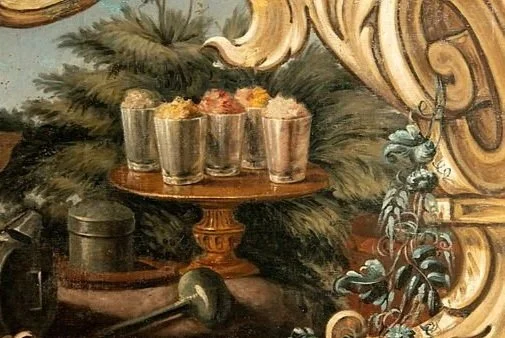
The Knight’s table could become a map of the world: chocolate travelled from the New World through Cádiz, where the Order had an estate; coffee traced its origins to Ethiopia; ice arrived from Mount Etna; and vanilla came from as far afield as Madagascar. The Knights also brought their own cooks, recipes and culinary traditions, which were adapted locally and emulated by Malta’s nobility and bourgeoisie.
Faith shaped the table too. The Catholic calendar prescribed giorni di grasso and giorni di magro — “fat” and “lean” days — determining when meat and other animal products could be eaten. Breaking those rules could even attract the attention of the Inquisition.
At the Knight’s Table explores these fascinating contrasts: rich and poor, harbour and countryside, local and foreign, fasting and feasting , and the extraordinary journeys behind what eventually landed on a Maltese plate.
Because sometimes the story of an island can be told through what was on its plate.